 To start page
For Bangladesh’s working poor, the first five months of the pandemic were marked by disease, job insecurity, a food crisis, anxiety and helplessness. It is estimated that 20 million workers are likely to lose their jobs, and the number of people living in poverty in Bangladesh will increase from 34 million to 67 million (40.9 percent of the population).
Vinod Koshti is a Project Manager at the South Asia Office of the Rosa-Luxemburg-Stiftung in New Delhi. All stories were collected in telephone interviews conducted by Suraiya Begum, Iftekhar Ali, and Md. Adnan Mashruzzaman from Research Initiatives, Bangladesh (RIB) in July 2020 in coordination with the author. RIB is a Rosa-Luxemburg-Stiftung partner organization.
A BRAC study claims that there are 100.22 million people vulnerable to economic and health risks, out of which 53.64 million are extremely poor (earning less than 160 Bangladeshi taka or 1.68 euro per day). Over half of those identified as extremely poor are recorded as having run out of money. Their average family income has decreased by as much as 74 percent in the last few months. Another study led by CARE demonstrates that almost 91 percent of those who responded to their survey do not have the means to buy food; 75 percent do not have adequate access to food at home; and 79 percent of the women engaged with are not able to provide nutrition to their children below 2 years of age.
Families are found to be either eating less than they are accustomed to or experiencing a dramatic reduction in the diversity of food accessible to them. The consumption of cheaper and durable carbohydrates and legumes such as rice, potatoes, and pulses (lentils) is observed to have been on the rise, substituting protein-rich food like chicken, fish, and beef (customarily part of daily meals).
Woven below are first-hand accounts from a diverse pool of persons demonstrably and immediately impacted by hunger, specifically caused by the COVID-19 crisis. Included are the voices of domestic workers, rickshaw pullers, newspaper distributers, laundry workers, street vendors, agricultural labourers, day-labourers, restaurant workers, workers in parlours, garment workers, small farmers, and scrap dealers. These candid accounts reflect how the COVID-19 pandemic is fast becoming a crisis of “hunger” on a devastating scale.
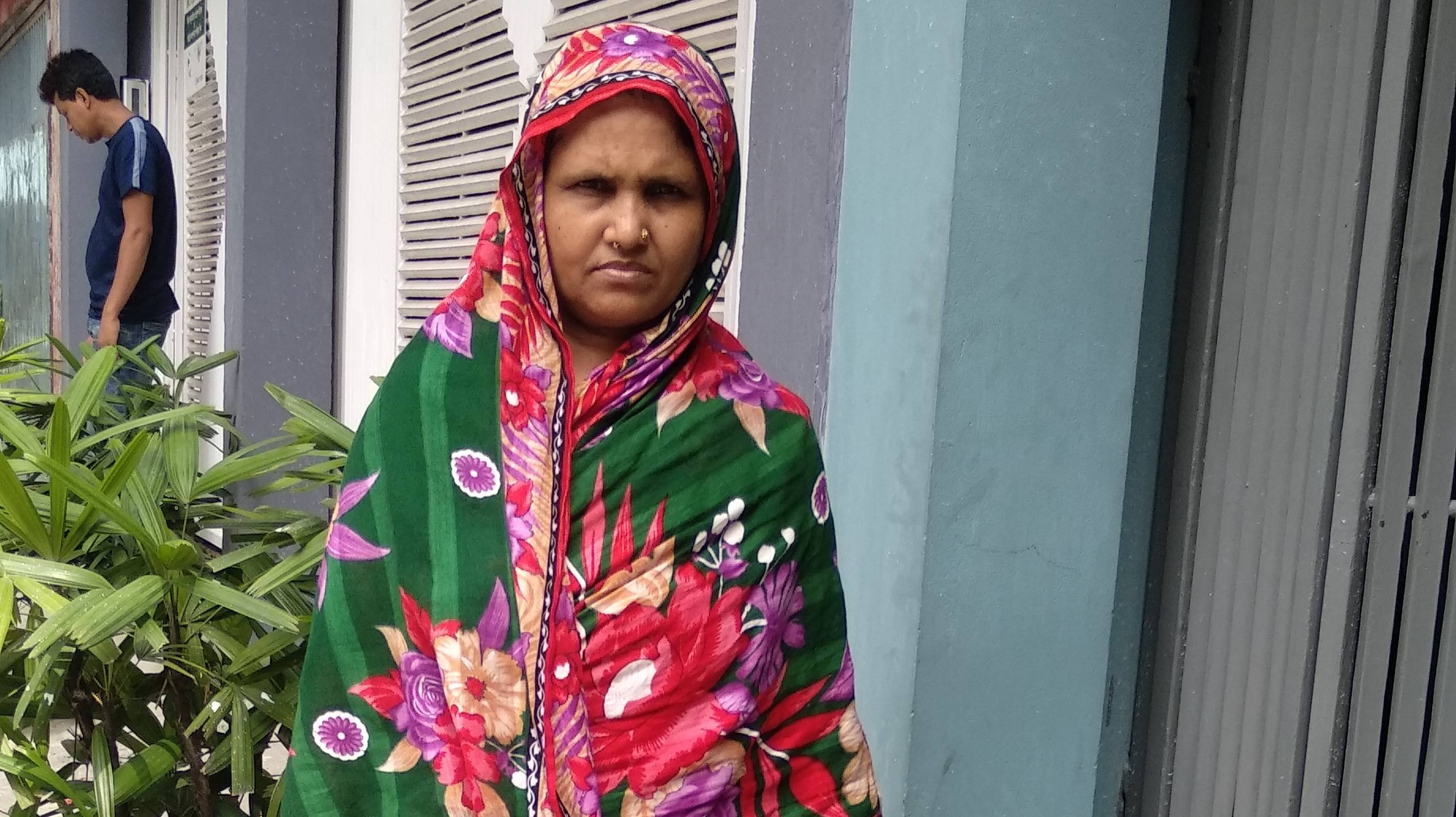
Noor used to work for 12 hours every day in five houses earning 14,000 taka (147 euro) per month before the pandemic occurred. She lost employment in all five households after lockdown was imposed. Recently, she has begun working in a new house altogether, where she earns 5,000 taka (53 euro) per month.
Her husband is a security guard, her son is a construction worker, and her daughter works at a garments factory. Their combined family income has shrunk from 39,000 taka (410 euro) to 20,000 taka (210 euro) per month since the onset of the pandemic. She continues to have to pay rent for 5,000 taka (53 euro) as well as electricity and water bills every month.
In order to cope, the family has pared down their daily food consumption and can no longer afford meat or fish (once an integral part of their daily meal). They were unable to pay last month’s rent. The family does not know how they will survive should the prevailing situation persist for a longer time.
There are an estimated 2 million such domestic workers in Bangladesh, out of which 83 percent are women and girls (most of whom qualify as children or youth).
A Growing “Hunger Pandemic”
In Bangladesh, there are 40 million people going without sufficient food. COVID-19 and subsequent lockdowns will account for approximately 20 million more. Worldwide, almost 265 million people could be pushed to the brink of starvation by the end of 2020. The Chief of the World Food Program warns of a hunger pandemic caused by COVID-19. The difficult stories we encountered—extracts from the lives of rickshaw pullers, street vendors, self-employed urban and rural poor—are rife with struggles for survival. They have neither adequate social protection, social security, nor a robust health infrastructure to speak of. Government aide and relief remain a theory—no support has reached them. Without collaterals, they will not be eligible for any institutional loans in order to revive lost livelihoods.
Currently, the essence of their struggle is survival itself. They are in urgent need of care—of cash, support, free food, free testing, free medicines, low-cost loans, and proactive support through actionable measures on the part of the government.